
Monsanto
The Village Built Among Giant Rocks
There are cities with very tall buildings. Others are famous for their castles or walls. But in Portugal there is a place where houses are built among enormous granite stones, some as large as a dwelling. It seems that a giant dropped thousands of rocks on a mountain and, instead of removing them, people decided to live among them.
That is why Monsanto belongs to the category of Impossible Cities. It is such a special place that it is hard to find anything like it anywhere in the world.
Where is Monsanto?
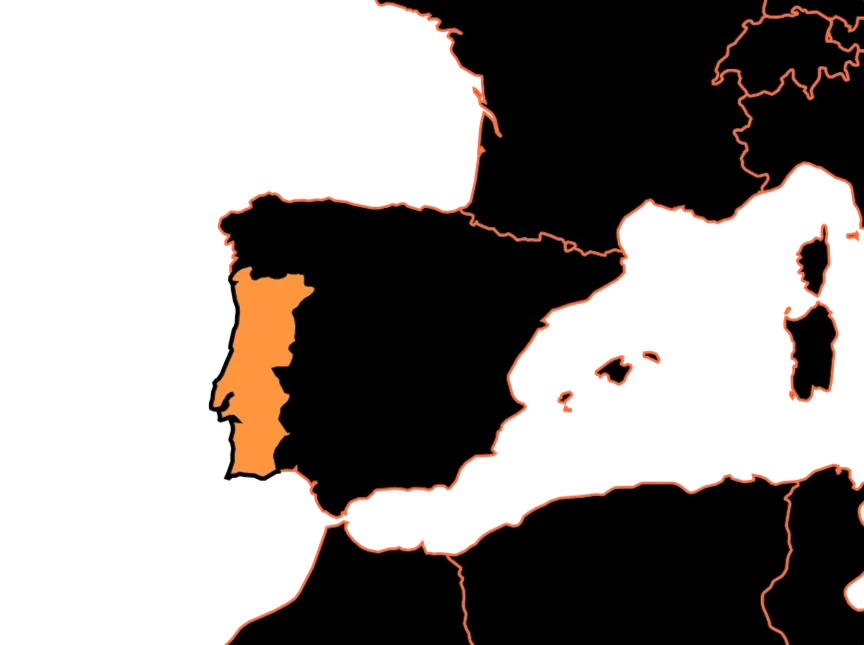
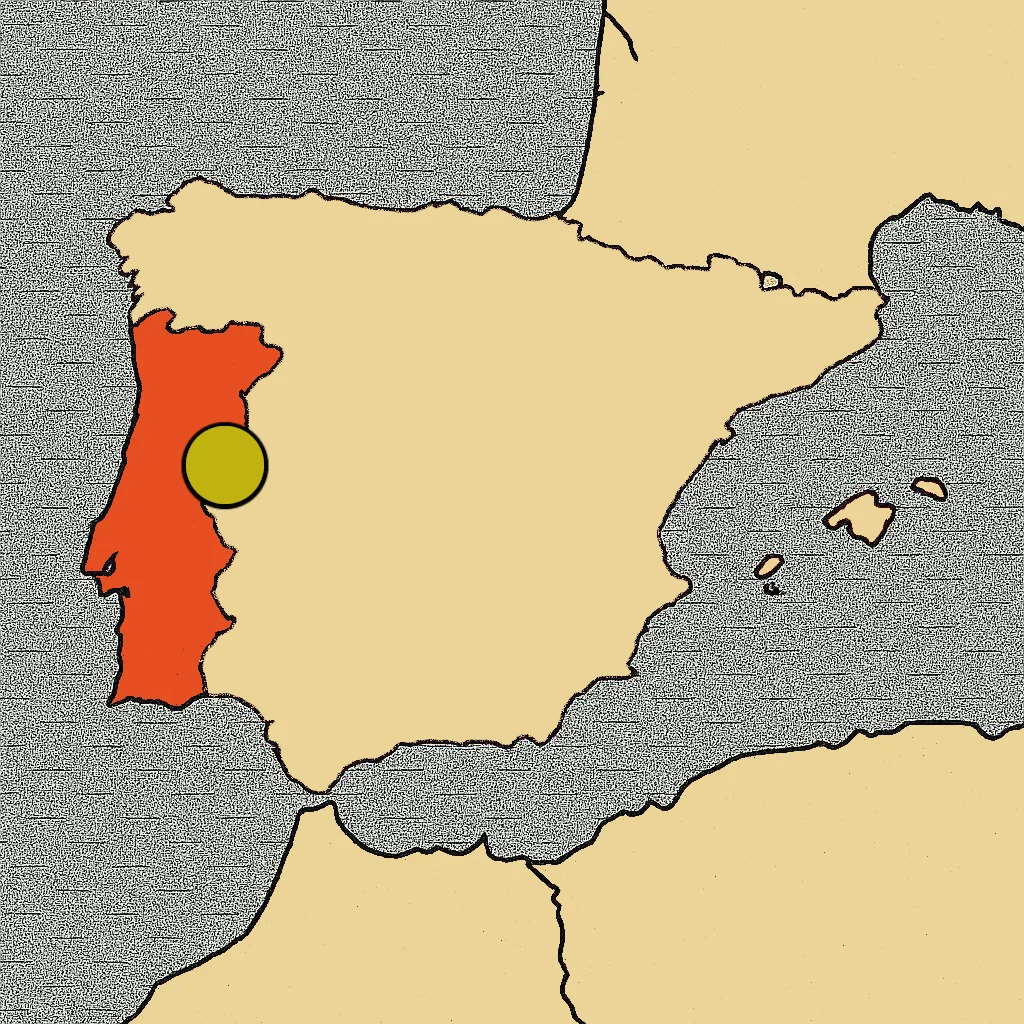
Monsanto is located in central Portugal, on the slope of a mountain about 760 meters high. From there you can see large plains and small villages that surround the area.
Its position was perfect for watching over the territory many centuries ago. In addition, the enormous rocks offered natural protection against possible enemies, so the first people who lived there took advantage of that landscape to build their houses.
A village full of giant stones
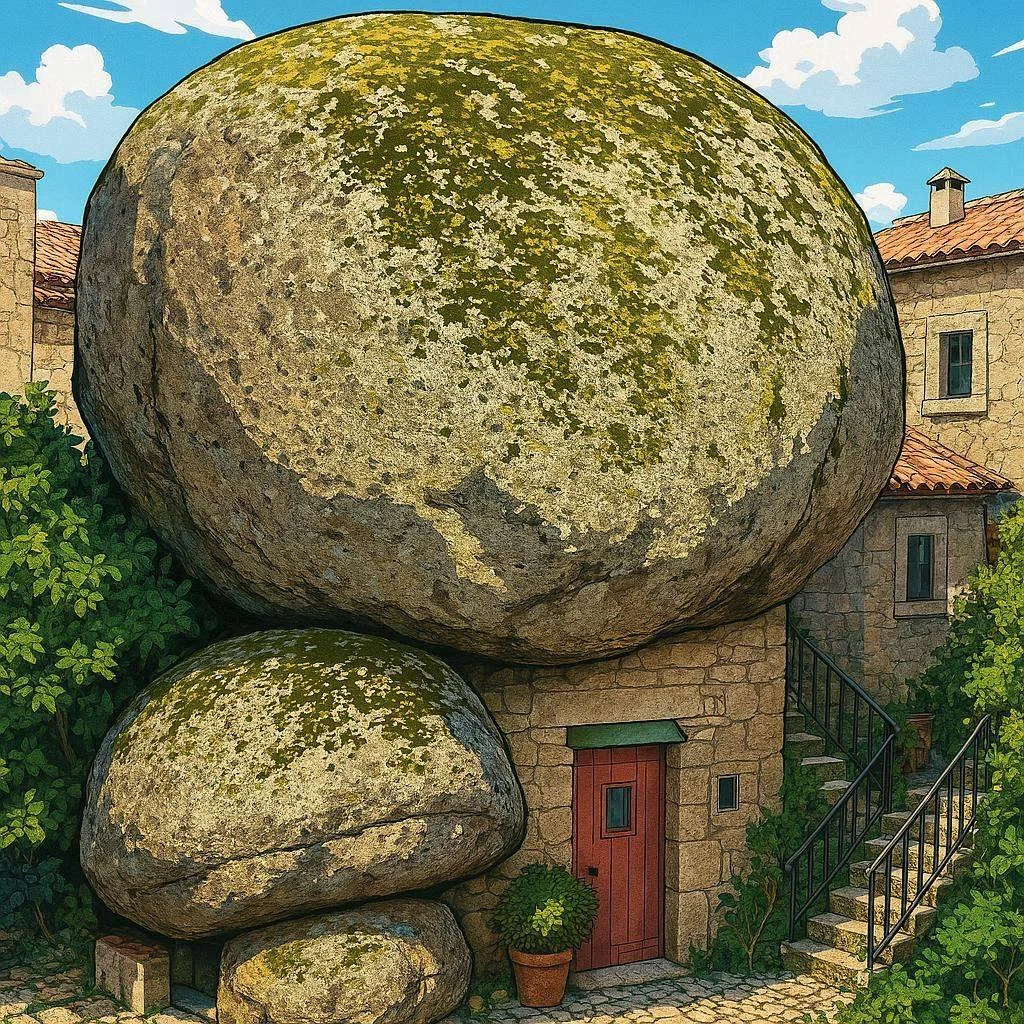
The first thing that catches your eye upon arriving at Monsanto is its enormous granite blocks. Some rocks are so large they look like small mountains. Instead of removing them, the inhabitants decided to use them as part of their homes.
There are houses that have a rock as a wall. Others use a gigantic stone as a roof. There are even streets so narrow that they pass between enormous granite blocks, as if they were natural hallways created by the mountain. Walking through Monsanto is like exploring a huge stone puzzle where nature and people work together.
A city adapted to the mountain
Building in Monsanto was never easy. Each home had to adapt to the space available between the rocks. That is why almost no two houses are alike.
The streets constantly go up and down, forming a small labyrinth. Many are so narrow that barely two people can pass at the same time. In some corners, it seems the rock walls are about to close in on visitors.
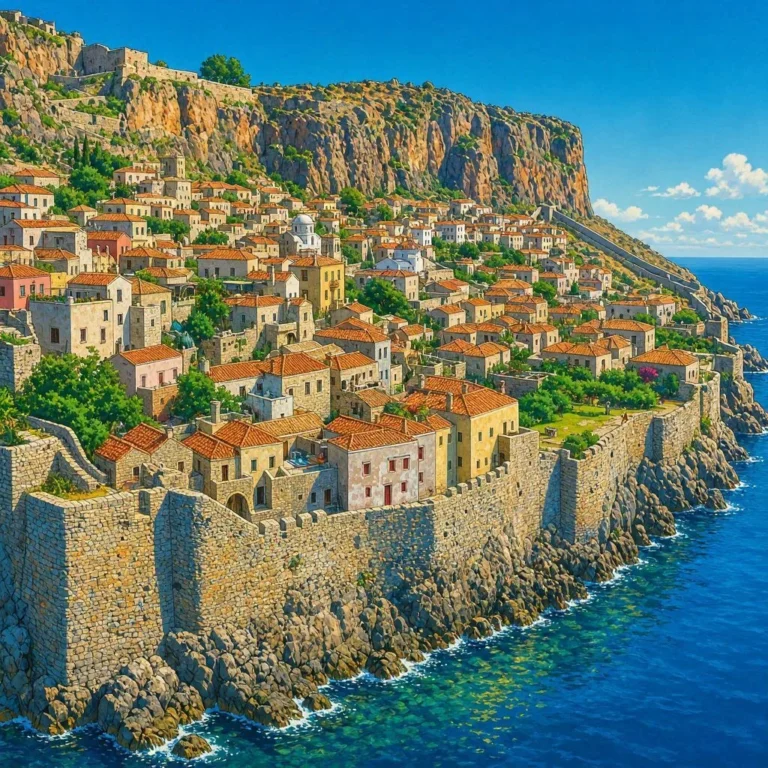
The houses, made from local stone, blend so well with the landscape that from a distance it is hard to tell where the mountain ends and the village begins.
A castle with incredible views
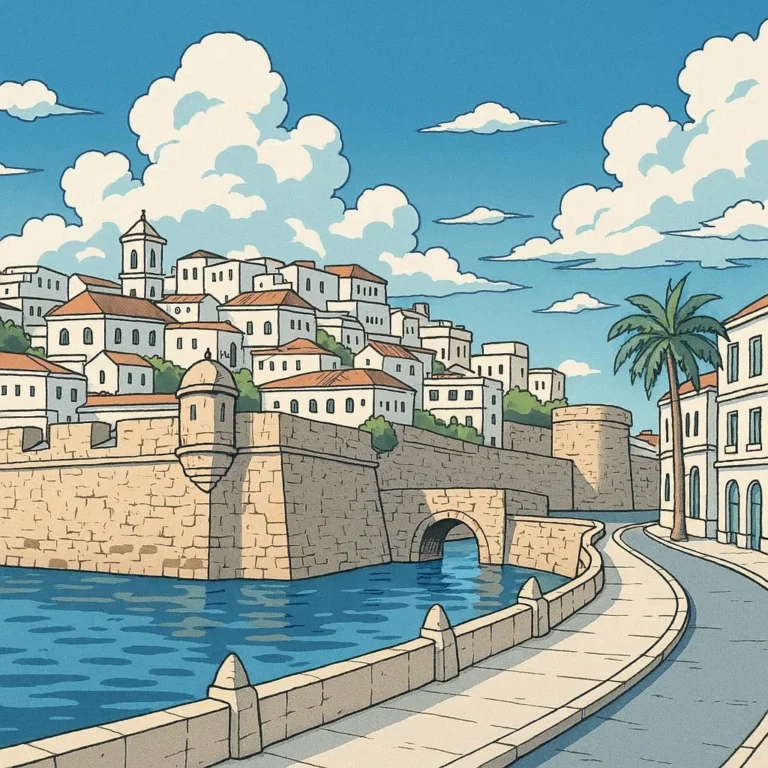
At the highest point of Monsanto are the ruins of an ancient medieval castle. It was built over 800 years ago to defend the region and control the nearby roads.
From there you enjoy a spectacular view. You can see kilometers of landscape and understand why this place was so important for protecting the territory. The castle is also surrounded by enormous rocks, as if nature itself had built a fortress.
Why is it an impossible city?
Today it would be very difficult to create a village like Monsanto. First, you would have to find a mountain covered with enormous stones arranged in a similar way. Then you would have to design each house to fit among them without moving the rocks much.
For centuries, the inhabitants gradually built, taking advantage of every available corner. They did not follow a plan like in modern cities. Each home was born adapting to the space left by the gigantic stones. That work, carried out generation after generation, created a village completely different from any other.
A place that seems like a fairy tale
Many visitors say that Monsanto looks like the setting of a fantasy movie. The cobblestone streets, the houses hidden under enormous rocks, and the castle on the mountain make everything seem taken from another era.
As you walk through the village, you discover tiny doors next to giant stones, balconies peeking out from among the rocks, and stairways that wind through places where it seems impossible to build. Every corner offers a different surprise.
A town that could only be born here
Monsanto shows that people can adapt to the most surprising places. Instead of changing the mountain, they learned to live with it and used the enormous rocks to build their homes.
That is why it belongs to the Impossible Cities category. It is not famous for its skyscrapers or its size, but because it achieved something that seems incredible: building an entire town among giant rocks that have been there for millions of years. It is one of the most original cities in Europe and an example of how nature and people can together create a truly unique place.