
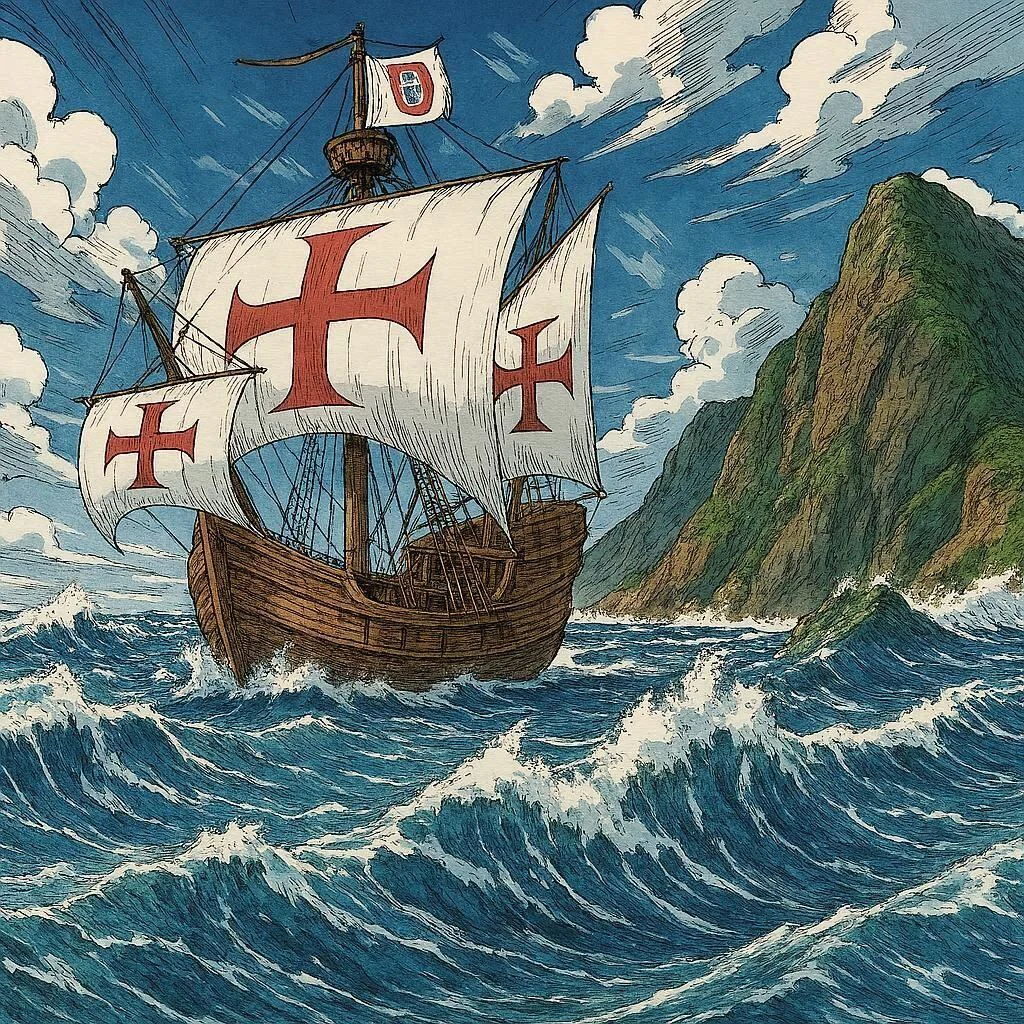
Voyage to India
The journey that united three continents
Today we can buy pepper, cinnamon, or cloves at any supermarket. But more than 500 years ago, spices were among the most valuable products in the world. They were used to preserve food, add flavor, and even make perfumes and medicines. In Europe, they arrived from Asia after an extremely long journey over land and sea, passing through dozens of traders, so their price was extremely high.
The kings of Portugal asked themselves a question that could change history: What if there were a sea route to India?
A coast full of unknowns
At that time, no one in Europe had sailed to India around Africa. Maps ended where the sailors’ knowledge ended, and beyond that there were only unknown oceans.
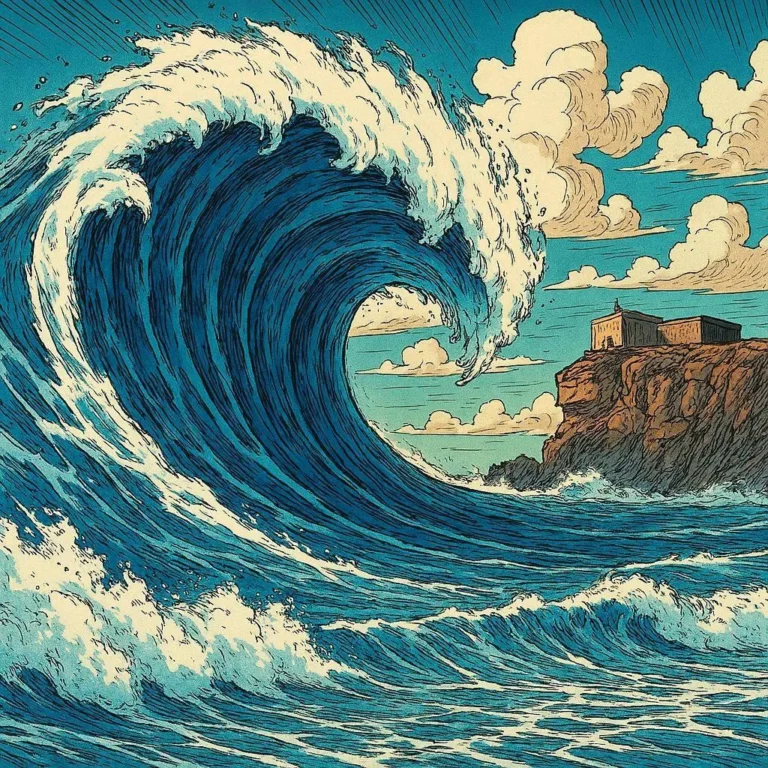
For decades, Portuguese navigators gradually explored the African coast. Each expedition advanced a little further than the previous one, drawing new maps and discovering ports, islands, and ocean currents. The great obstacle was the southern tip of Africa. The storms were so fierce and the sea so dangerous that many thought it was impossible to continue.
The cape that opened a door
In 1488, a Portuguese navigator named Bartolomeu Dias accomplished an extraordinary feat. He was the first European to round the southern tip of Africa and prove that the Atlantic Ocean was connected to another great ocean. That place was named the Cape of Good Hope because it gave hope to all who dreamed of reaching Asia by sea.
However, Bartolomeu Dias had to return before completing the journey. The door was open, but no one had yet crossed through to India.
Vasco da Gama completes the adventure
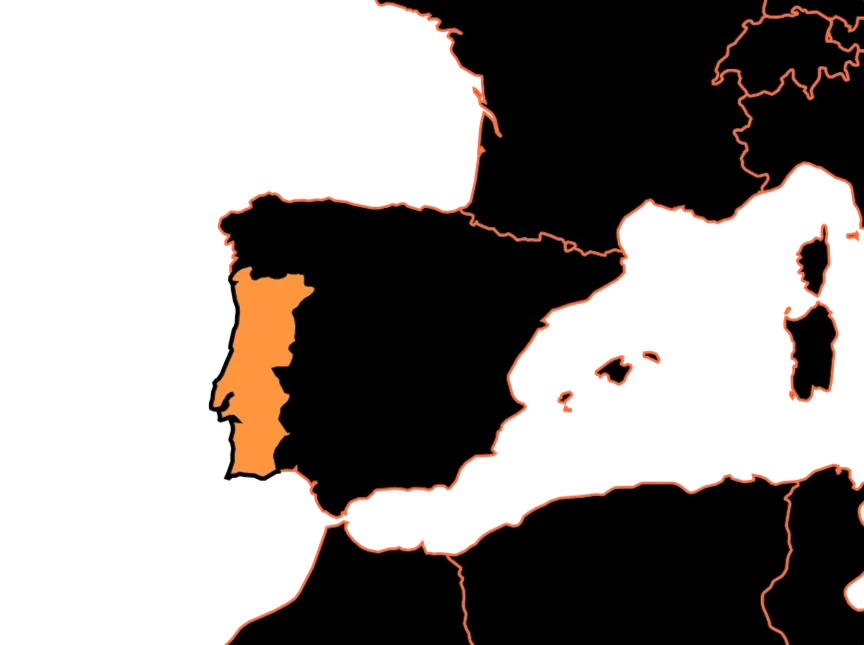
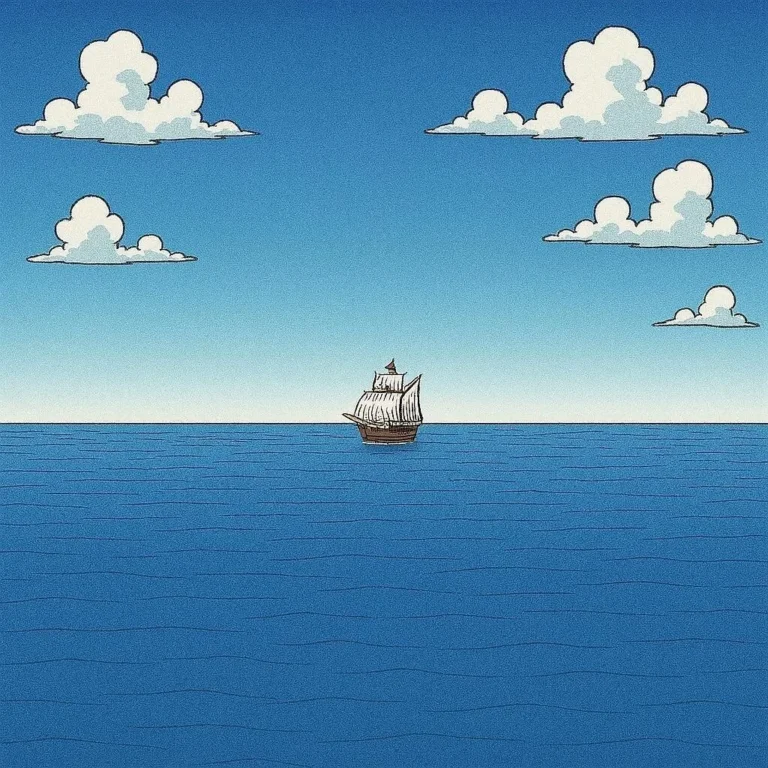
Nine years later, in 1497, another Portuguese navigator took up the challenge. His name was Vasco da Gama. He set out from Lisbon with four ships and sailed down the African coast. After rounding the Cape of Good Hope, he continued north, making stops at several ports in East Africa, where he found sailors who knew the winds of the Indian Ocean.
Thanks to them, he dared to cross the open sea. After weeks of sailing, the coast of India finally appeared. In May 1498, Vasco da Gama arrived at Calicut, one of the most important trading ports in the world. There he found markets full of pepper, cinnamon, ginger, cloves, and other spices that Europeans had been longing to obtain for centuries.
For the first time, a European ship had reached India directly by sailing around Africa.
A new highway for the world
Vasco da Gama’s voyage changed much more than trade routes. From then on, hundreds of ships began to follow the same path. Portugal built ports and fortresses along Africa, India, and Southeast Asia to protect this new maritime route.
For centuries, the Indian Ocean became a massive highway along which ships traveled loaded with spices, silk, porcelain, gold, and many other products. Europe, Africa, and Asia were connected like never before.
How did it change the maps?
Before Vasco da Gama, Europe depended on ancient land routes and intermediaries to trade with Asia. After his voyage, maps had to draw a new line that went around Africa and reached India. That route allowed for the exploration of new coasts, the founding of ports, and the connection of continents separated by thousands of miles of ocean.
It all began with a very simple question: Was it possible to reach India by sailing around Africa? Vasco da Gama proved that it was. His expedition opened one of the most important sea routes in history and forever changed the way the world traded, traveled, and connected. That is why his voyage was one of the great events that changed the maps.