
Pompeii
What would it be like to walk through a city where everything stopped nearly 2,000 years ago? In Pompeii, the streets, the houses, and even some objects remained buried under a huge layer of volcanic ash. When archaeologists began to excavate it, they discovered a place that seemed to belong to another world.
A Roman city next to the volcano
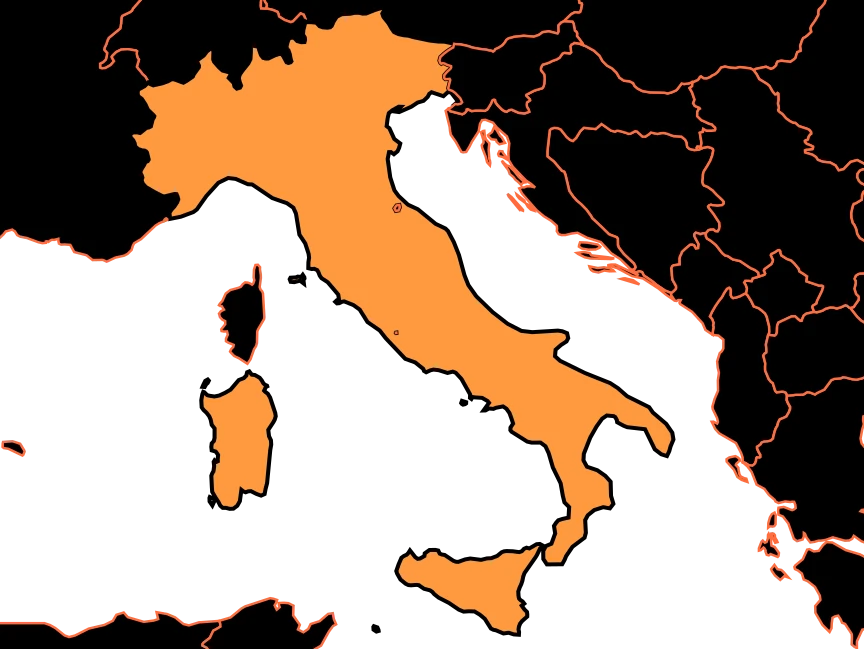
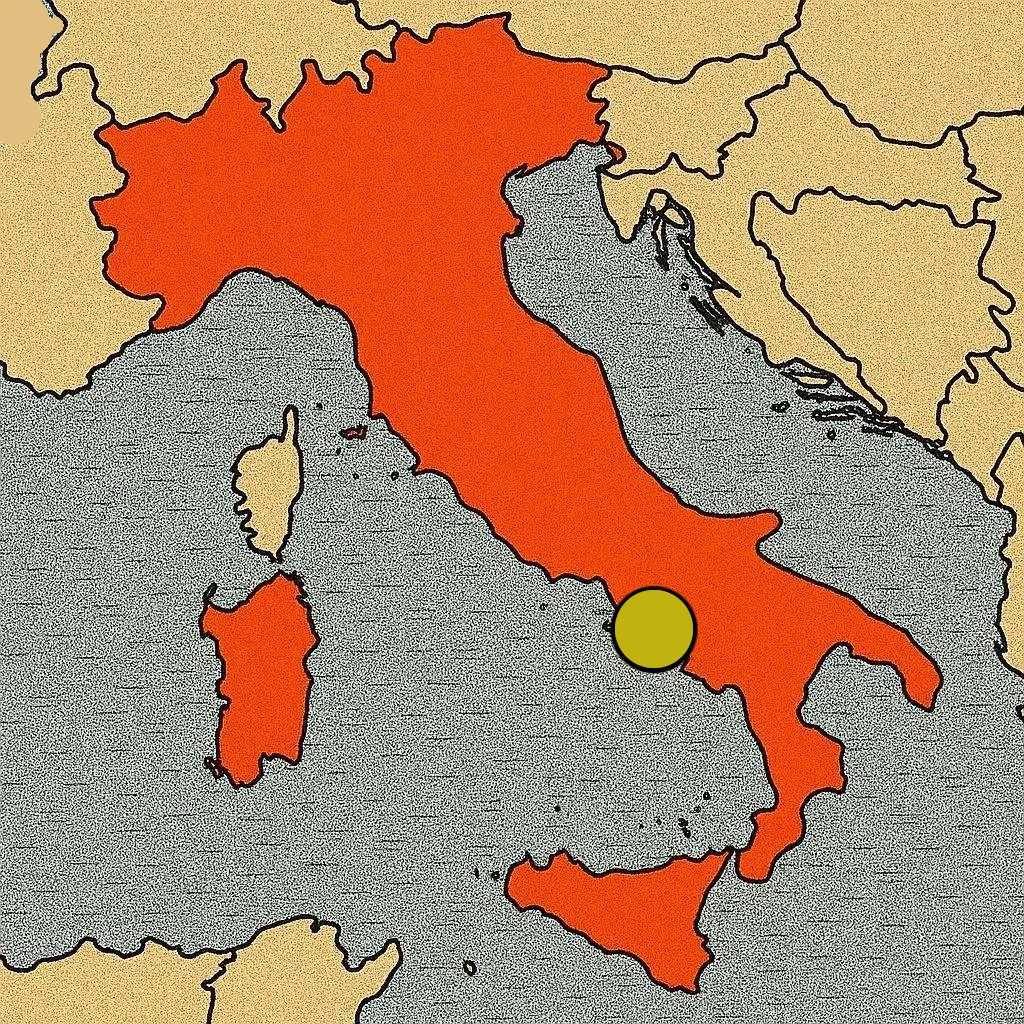
Pompeii is located in southern Italy, near the city of Naples. Centuries ago, it was a lively Roman city with markets, theaters, public baths, and elegant houses decorated with paintings. Its inhabitants lived very close to Mount Vesuvius, a volcano that seemed calm. However, in 79 AD, everything changed suddenly.
The eruption that changed history
Vesuvius erupted and hurled a gigantic cloud of ash and volcanic rocks into the sky. For hours, the city was covered by a rain of hot materials. Finally, Pompeii disappeared under several meters of ash. Many people had to flee, and the city remained buried and forgotten for centuries.
A landscape covered in ash
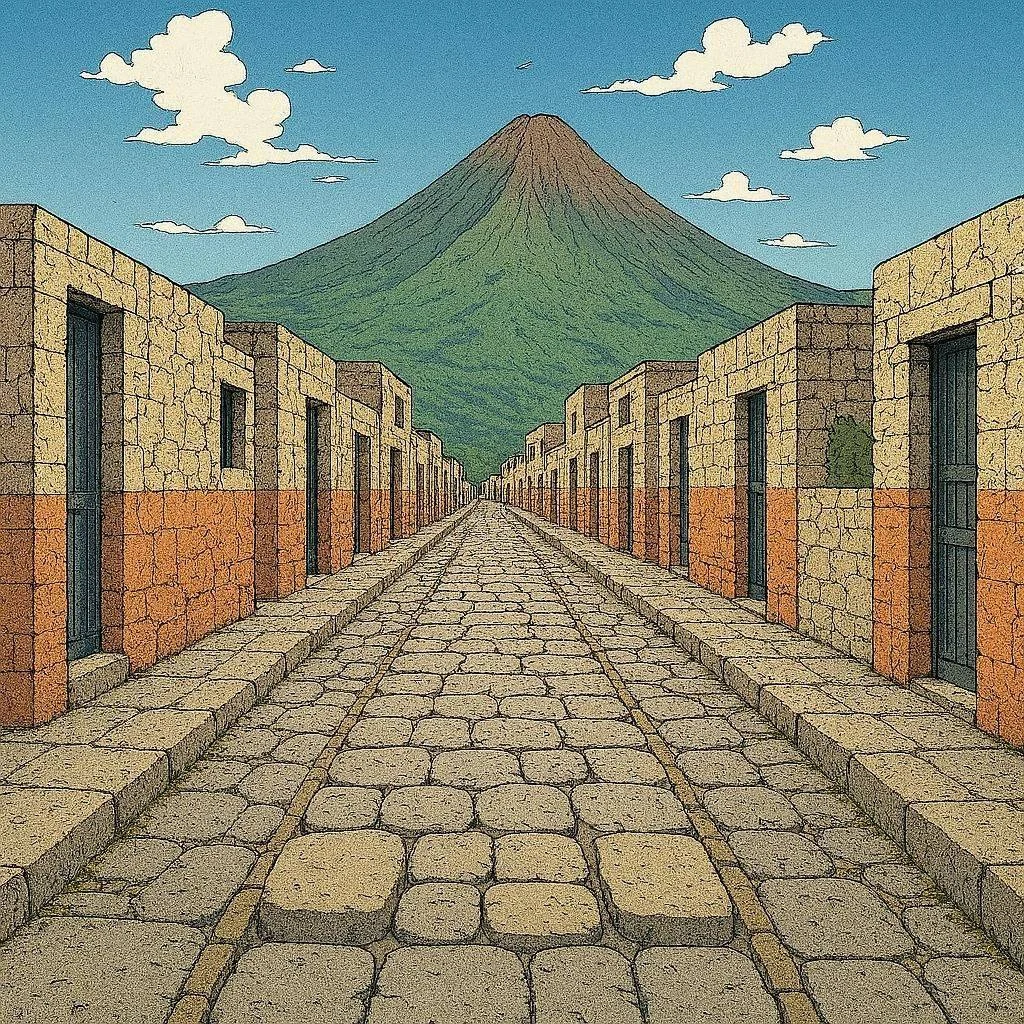
When archaeologists began to excavate, they found entire streets preserved under the ash. The houses were still standing, the ovens still held traces of bread, and many paintings remained on the walls.
Everything seemed to have stopped suddenly. That feeling of frozen time is one of the reasons Pompeii is so impressive.
Why does it look like another planet?
The volcanic ash covered the city with a gray layer that completely transformed the landscape. The empty streets, the half-destroyed buildings, and the silence of the place create an atmosphere very different from that of a modern city.
Moreover, Vesuvius still rises in the background, reminding us of the enormous power of nature. The combination of ancient ruins and volcanic terrain makes Pompeii look like an extraterrestrial setting.
The traces of its inhabitants
One of the most surprising discoveries were the casts of some people and animals. The ash preserved the space their bodies occupied, allowing archaeologists to create reproductions of their final positions. These findings help us better understand how Pompeii’s inhabitants lived and show the impact of the eruption.
An open-air museum
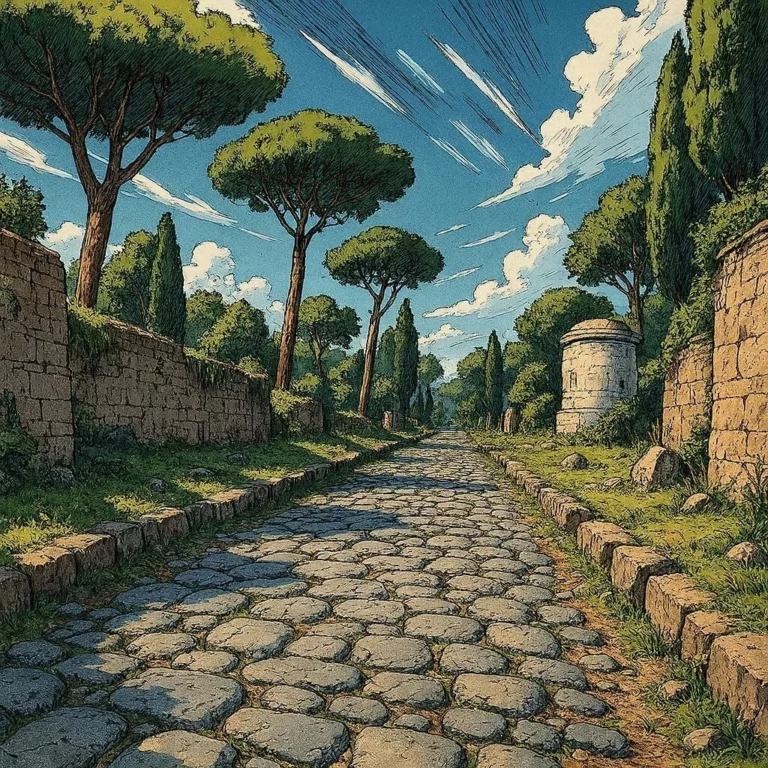
Today, Pompeii is one of the most famous archaeological sites in the world. Visitors can walk its cobblestone streets, enter ancient houses, and observe mosaics and paintings nearly two thousand years old. It is like walking through an authentic Roman city that has remained hidden for centuries.
A place from another planet
Pompeii shows that the Earth can create landscapes as strange as those in a science fiction movie. The volcanic ash, the silent ruins, and the presence of Vesuvius make the place seem suspended between the past and another world.
That is why Pompeii belongs to the Places from Another Planet. It is not just an ancient city, but a unique corner where history and the force of a volcano forever transformed the landscape, creating an image that seems to come from a different planet.