
Sete Cidades
The Lake of Two Colors
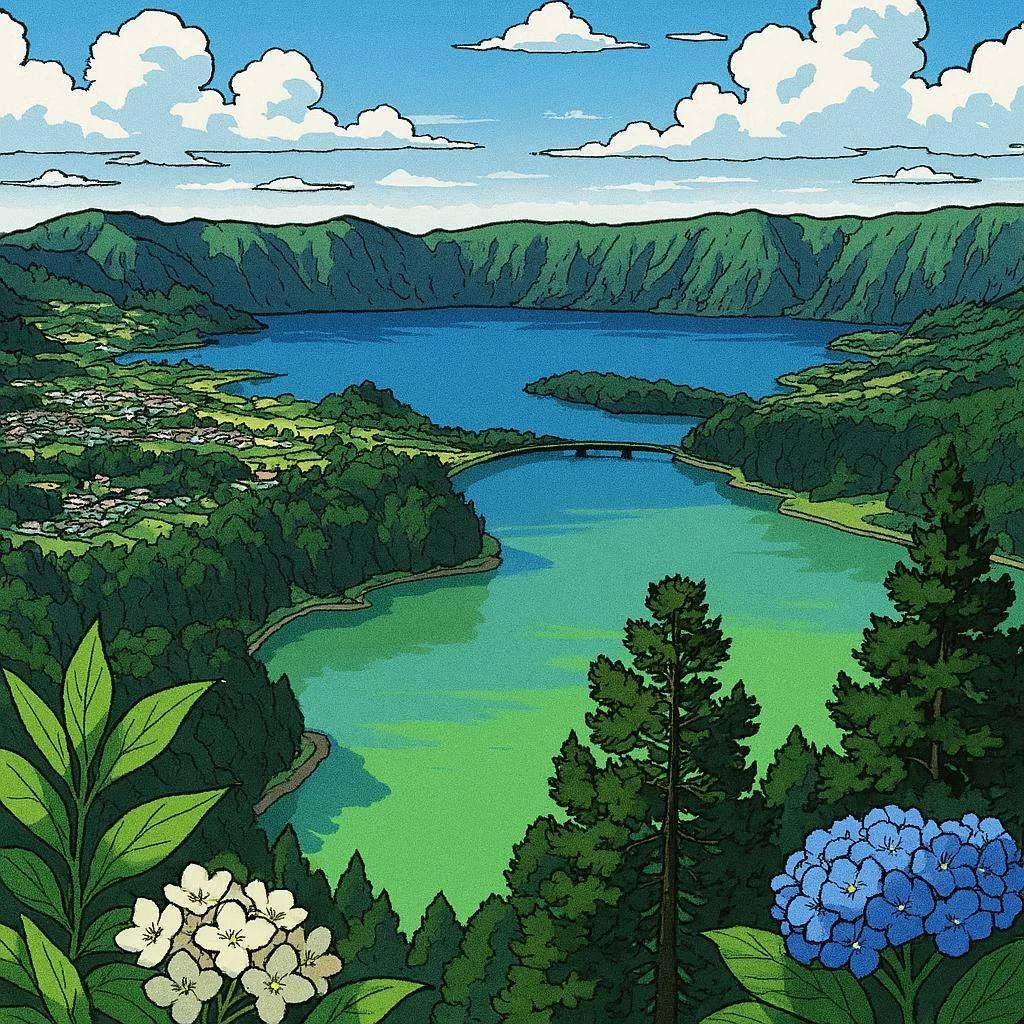
There are places that seem normal until you see them with your own eyes. Then you discover they are so strange that it’s hard to believe they exist on our planet. That happens in Sete Cidades, in the Azores islands, Portugal. There, two lakes are joined together, but one is blue and the other is green. From above they look like two enormous eyes of different colors gazing at the sky.
Where is Sete Cidades?
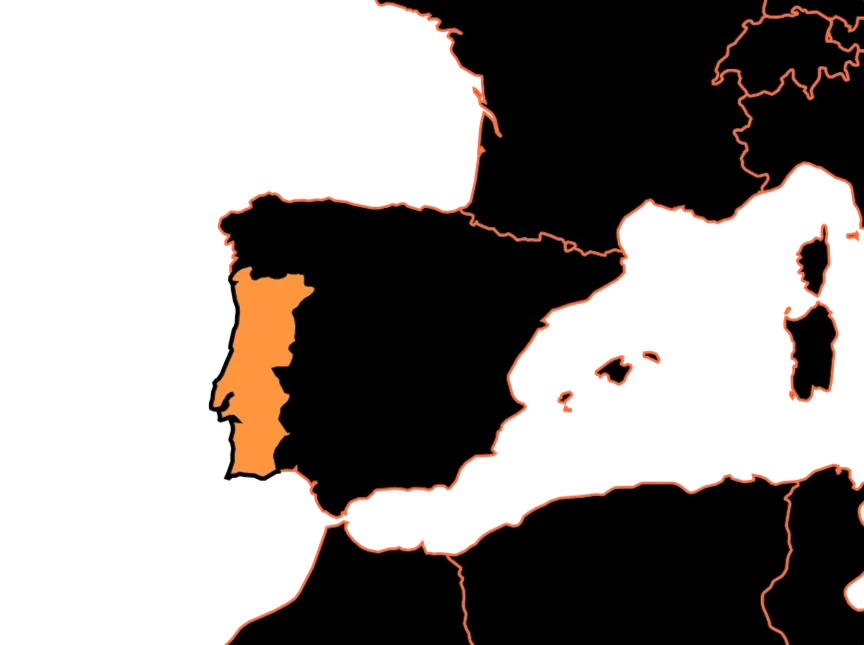
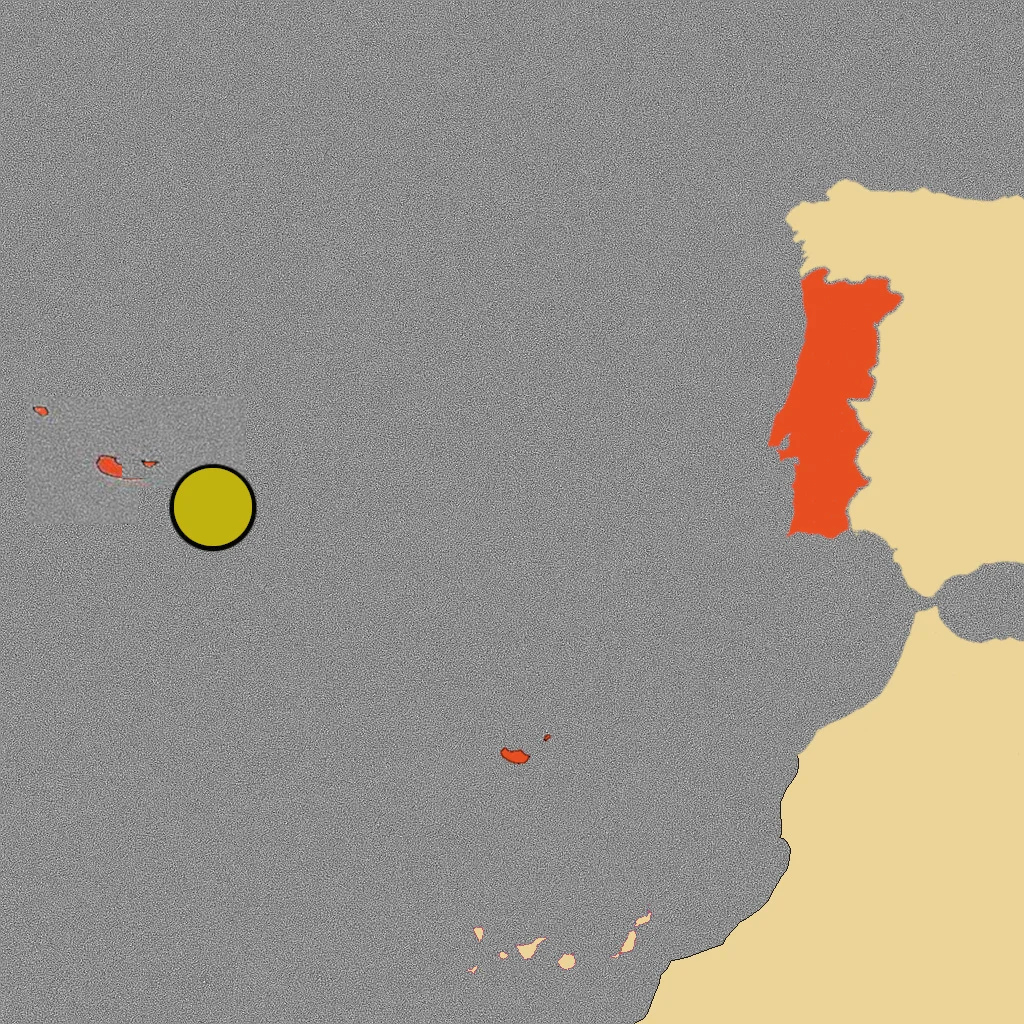
Sete Cidades is located on the island of São Miguel, the largest of the Azores. This archipelago lies in the middle of the Atlantic Ocean, more than 1,000 kilometers from the coast of Portugal. The islands are of volcanic origin, so they are full of mountains, lakes, and landscapes very different from what we normally see.
Thousands of years ago, a huge volcano erupted. When it finished, its central part collapsed and formed a gigantic crater called a caldera. Over time, rain filled that enormous hollow with water, and the famous lakes of Sete Cidades were born.
Two lakes joined, two different colors
The most curious thing is that, although the two lakes are connected by a small channel, they seem to have completely different colors. One is called the Blue Lake and the other is called the Green Lake.
For a long time, people thought it was something magical. Today scientists know that the effect is caused by several reasons. The depth of each lake is not exactly the same. In addition, sunlight, clouds, the plants that live in the water, and the way the sky is reflected make one look much bluer and the other have an intense green color.
Depending on the day and the weather, the colors change slightly. Sometimes the blue is very bright and other times it looks almost turquoise. The green lake can also show emerald or dark green tones.
A landscape created by volcanoes
The entire landscape of Sete Cidades reminds us that the Azores were born thanks to volcanoes. The mountains surrounding the lakes are, in fact, the edges of the ancient crater. Their walls are covered with trees, flowers, and meadows that contrast with the color of the water.
From some viewpoints you can see the entire volcanic caldera. It is such a vast landscape that it is hard to imagine that thousands of years ago there was a volcano full of lava there.
Although today it seems like a peaceful place, the interior of the Earth is still active beneath the Azores. That is why in other areas of the islands there are hot springs, fumaroles, and small earthquakes.
The legend of the two lakes
The inhabitants of the Azores tell a beautiful story to explain the two colors. According to the legend, a shepherd and a princess became very good friends, but they could not be together because they belonged to different worlds.
When they had to say goodbye, they both cried for so long that their tears formed two lakes. The princess’s tears were blue like her eyes, while the shepherd’s were green. Although it is only a legend, it remains one of the best-known stories of the Azores.
Why does it look like another planet?
Few places in the world bring together so many curious things at once. Two lakes of different colors inside a huge volcanic crater are already enough to surprise anyone. If we also add the fog that often covers the mountains and the forests surrounding the water, the landscape seems completely unreal.
From the famous Vista do Rei viewpoint, the lakes look like two enormous patches of color at the bottom of a giant volcano. It is such a spectacular image that many people think they are seeing a landscape from another world.
A unique corner of the Azores
Sete Cidades shows that nature can create places so surprising that they seem impossible. The force of volcanoes, the passage of time, and rainwater transformed an ancient crater into one of the most beautiful landscapes in Europe.
That is why it belongs to the category Places from Another Planet. Its two lakes of different colors, surrounded by a huge volcano covered with vegetation, make anyone feel as if they have traveled to a distant corner of space, even though they are actually in the middle of the Atlantic Ocean.