
The Olympic Games
When countries compete without going to war
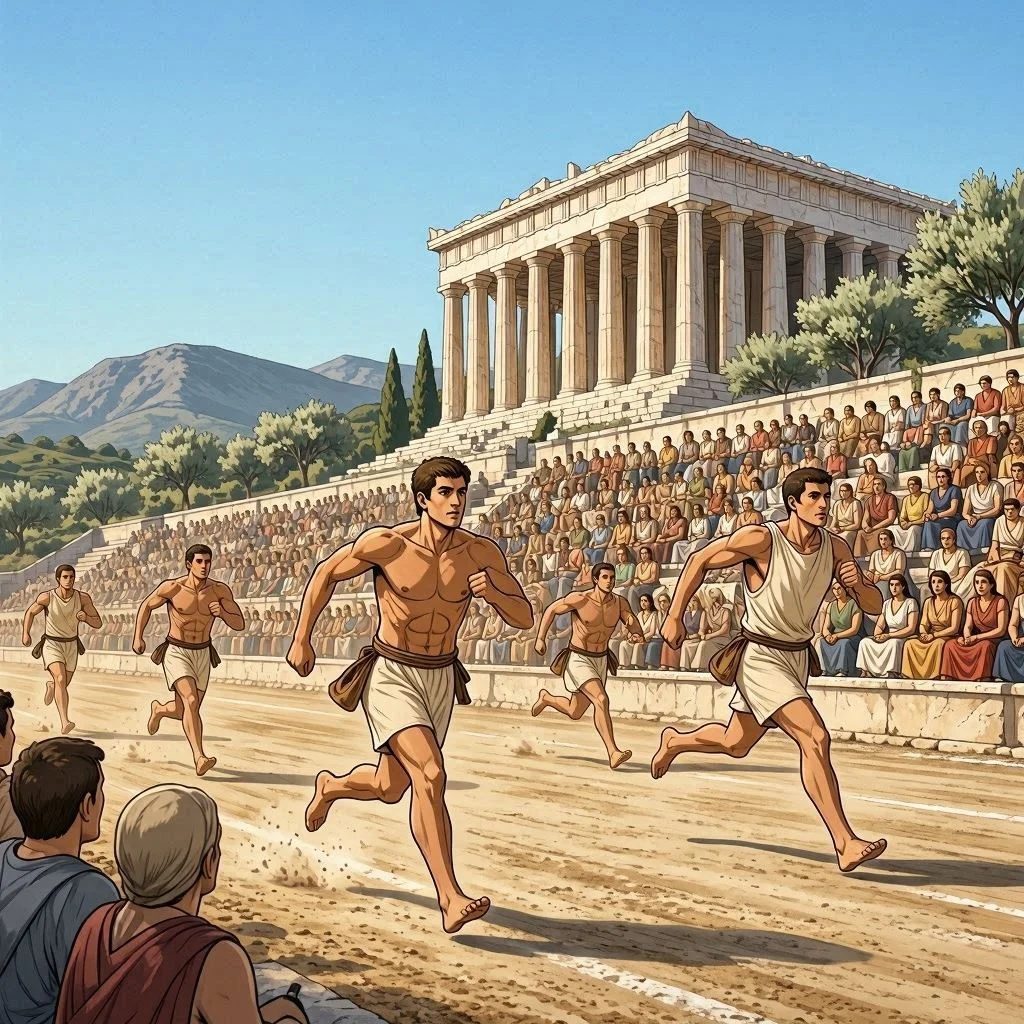
Imagine a full stadium. In the stands, there are people from many countries. On the track, athletes speaking different languages wait for the starting signal. A few seconds later, everyone runs toward the same finish line. It looks like a normal sports scene. But behind it lies a much older and more surprising idea: that people can face each other to win without having to face each other to destroy themselves.
The Olympic Games were born in ancient Greece and, over the centuries, transformed into one of the best-known international gatherings on the planet. Their history is full of victories, defeats, journeys, rivalries, and also an ancient agreement called ekecheiria: the Olympic truce.[1]
It all began in Olympia
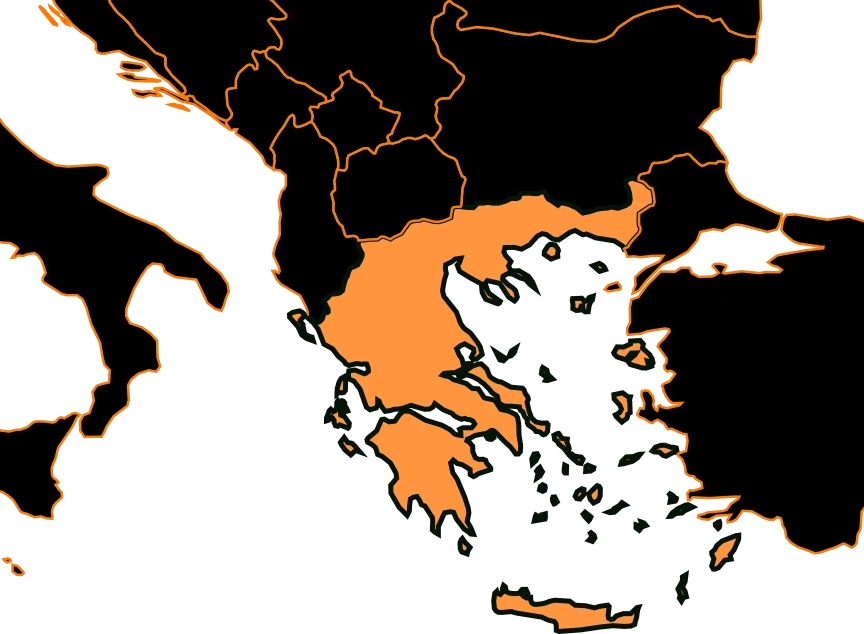
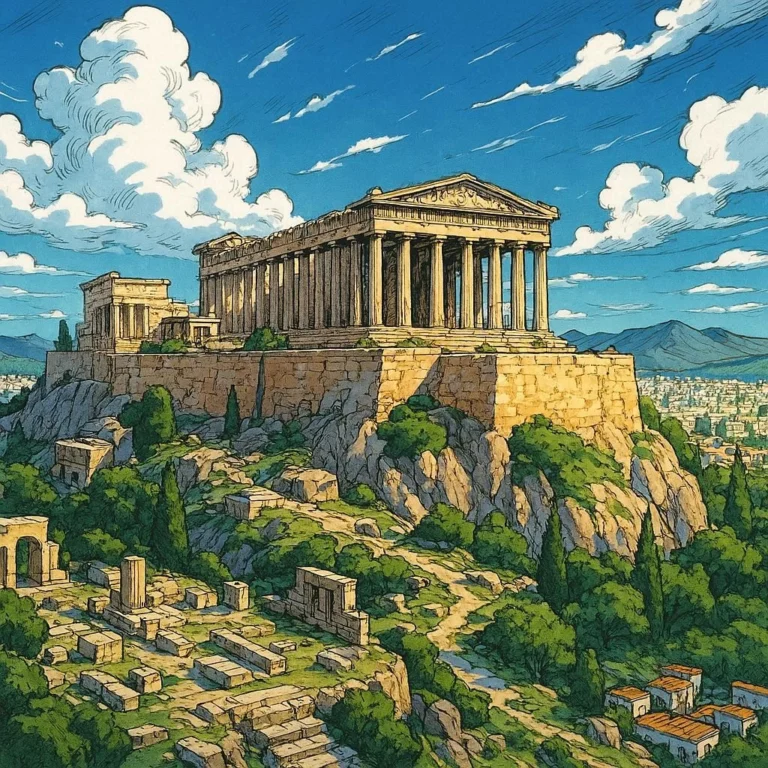
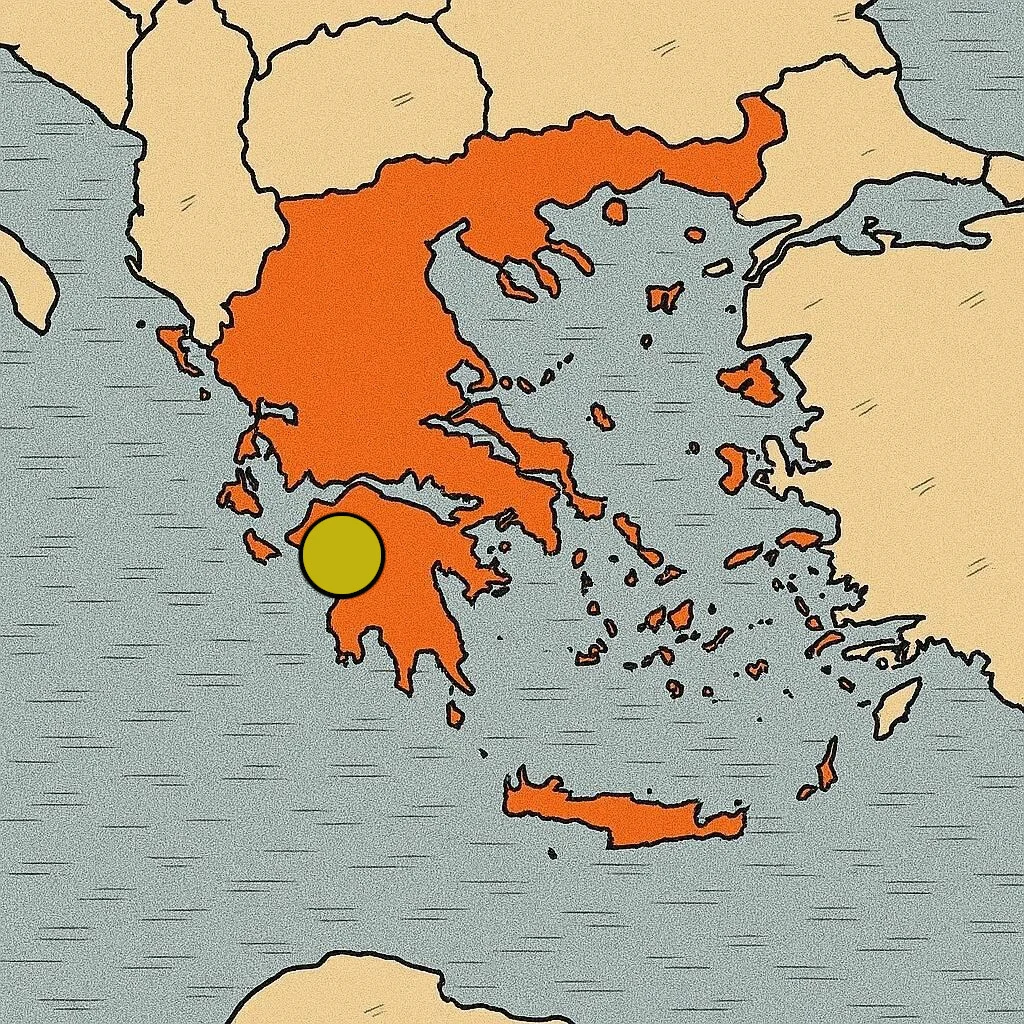
The ancient Olympic Games were held in Olympia, a sanctuary dedicated primarily to Zeus. The first reliable record of an Olympiad dates back to the year 776 BC.[2] The competitions brought together athletes from different Greek city-states, which at that time could be rivals and even enemies.
There were races, wrestling, boxing, discus and javelin throwing, the pentathlon, and horse and chariot races. The winners did not receive the gold, silver, and bronze medals we know today. Their prize was a crown made of wild olive branches, called a kotinos.[3]
But the Games had something even more extraordinary.
A pause in the wars
To allow athletes to travel to Olympia safely, the ekecheiria existed, known as the Olympic truce. During this period, the goal was to stop hostilities and allow athletes, spectators, and pilgrims to travel to the Games and later return safely to their homes.[1]
This does not mean that ancient Greece lived in peace during the Olympiads. The cities still had conflicts and rivalries. The truce was an agreed pause to protect the journey and the celebration of the Games.
The idea is surprising: cities that could fight each other agreed to common rules so their athletes could compete. It was like saying: «For a while, let’s leave weapons outside and see who runs faster, jumps farther, or fights better».
Then came a silence of centuries
The ancient Games disappeared during Antiquity. Many centuries passed before the Olympic idea appeared again.
In the 19th century, the Frenchman Pierre de Coubertin promoted the revival of international Games. Athens was chosen as the host city for the first Olympic Games of the modern era, held in 1896.[4] Around 241 athletes from 14 countries participated in nine sports.[4] Among them were athletics, cycling, gymnastics, swimming, wrestling, tennis, and shooting.
Those Games were very different from today’s. There were no massive television broadcasts, giant Olympic villages, or spectacular ceremonies as we know them today. But a fundamental idea was already present: people from different countries could gather under the same rules and compete in sports.
Competition changed too
Over time, the Games grew into a global event. New sports appeared, international participation increased, and women were progressively incorporated into Olympic competitions.
Technology also completely changed the experience. A race that previously could only be watched by those in the stadium began to reach millions of people via radio, television, and later, the internet. Sport stopped being merely a competition between athletes present in the same place. It also became a huge global gathering that millions of people could follow at the same time.
And every edition maintains something curious: athletes compete representing different countries, but they all have to respect the same rules of each sport.
Can the Games stop a war?
Here we must be careful. The Olympic Games have not managed to end the world’s wars. Throughout modern history, there have been armed conflicts, political tensions, and also Olympic editions affected by wars and international clashes. For this reason, the Olympic truce must be understood as an idea and a call for peace, not as a guarantee that all conflicts will disappear.
In 1992, the International Olympic Committee officially revived the tradition of the Olympic truce. The following year, the United Nations General Assembly approved resolution 48/11, which encourages States to respect it from seven days before the opening of the Games until seven days after their closing.[1][5]
The tradition continues in modern times as a symbol: even when there are major differences between countries, sport can create a space where people meet, compete, and follow the same rules.
Winning without destroying
Think about what happens during an Olympic final. Two athletes may want exactly the same thing: to win. They train for years to achieve it. They run, jump, swim, lift weights, or compete as a team. But one person’s victory does not need to mean the other’s destruction.
A rival can become someone who forces you to improve. A defeat can teach you. A record can inspire whoever watches it. And a competition can bring together in the same place people who, outside the stadium, live in countries with very different cultures, languages, and problems.
That is why the Olympic Games are a Wonder: not because they make conflicts disappear, but because they show a very simple alternative to violence. Instead of measuring strength with weapons, athletes can measure it with stopwatches, meters, points, and rules.
And perhaps that is one of the most powerful ideas that has traveled from ancient Greece to our days: competing does not have to mean fighting.
Sources:
- History of the Olympic truce, its origin in ancient Greece and its modern revival — https://www.un.org/es/node/139627
- Historical record of the ancient Olympic Games and the year 776 BC — https://library.olympics.com/cnospa/digitalCollection/DigitalCollectionAttachmentDownloadHandler.ashx?documentId=3704358&parentDocumentId=72732&skipCopyright=true
- Prizes and events of the ancient Olympic Games — https://library.olympics.com/Default/digitalCollection/DigitalCollectionAttachmentDownloadHandler.ashx?documentId=3157499
- Historical archive of the first modern Olympic Games in Athens 1896 — https://library.olympics.com/Default/basicfilesdownload.ashx?itemGuid=2ECE9BE9-EA5F-4F0F-97DF-84C75B6BC60A
- United Nations General Assembly Resolution 48/11 on the Olympic truce — https://digitallibrary.un.org/record/197368?ln=es