
Meteora
The monasteries that seem to float in the sky
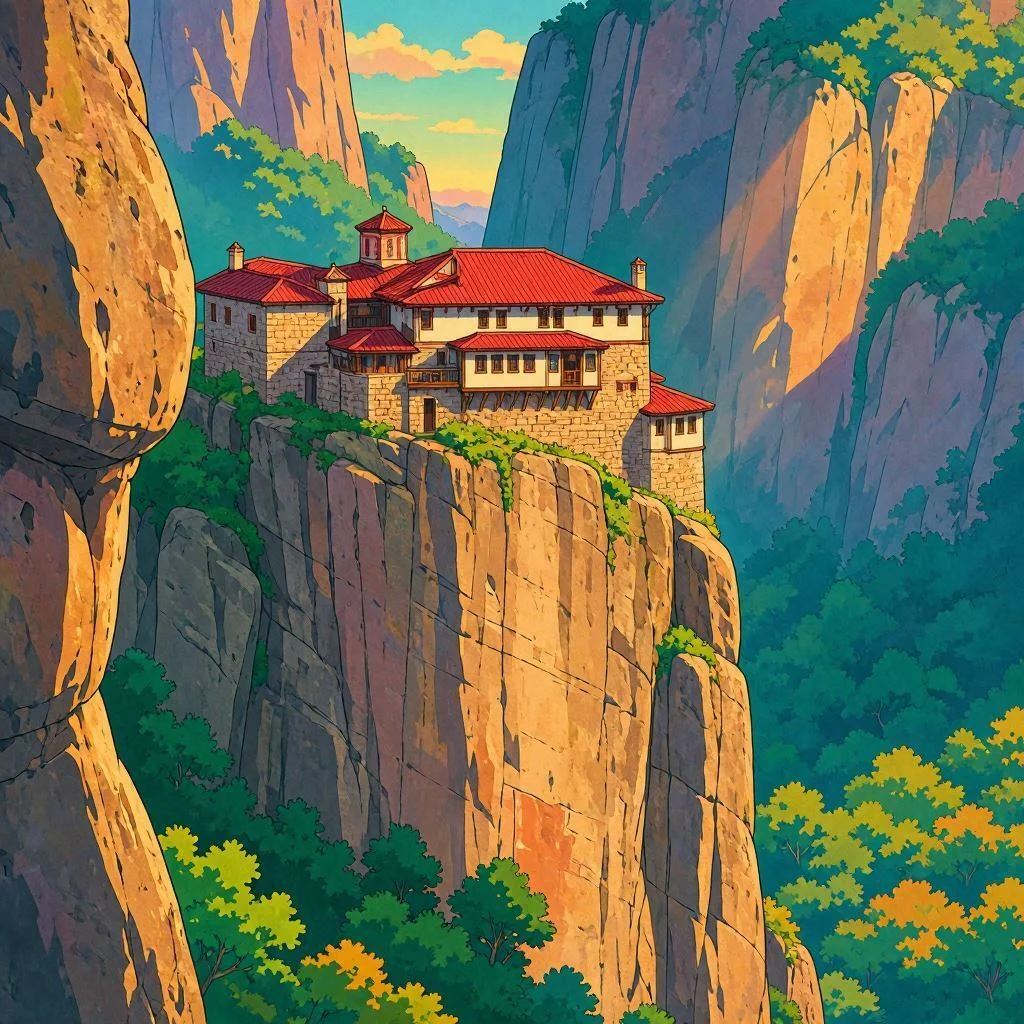
Imagine gigantic columns of rock rising hundreds of meters above a valley. Now imagine that, on top of some of them, there are monasteries built in places that seem impossible to reach.
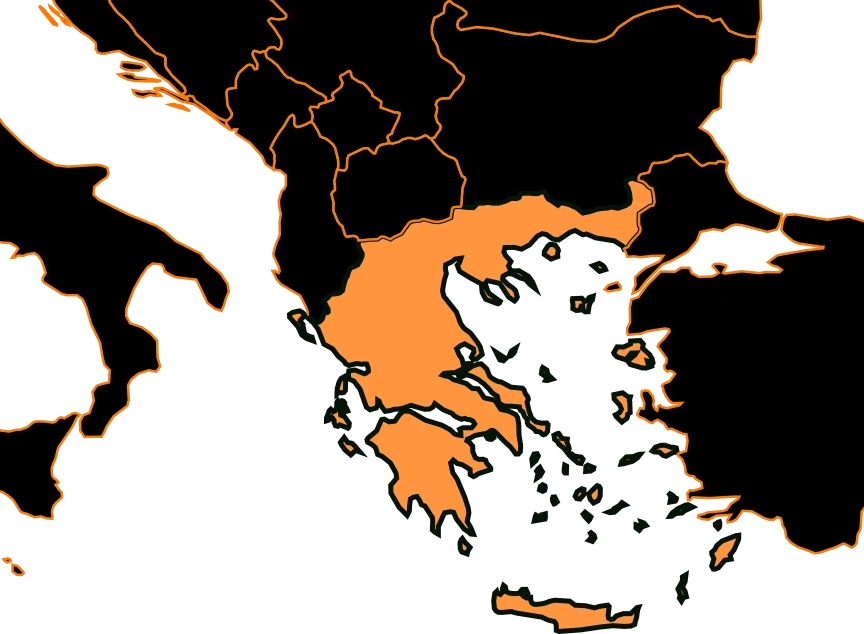
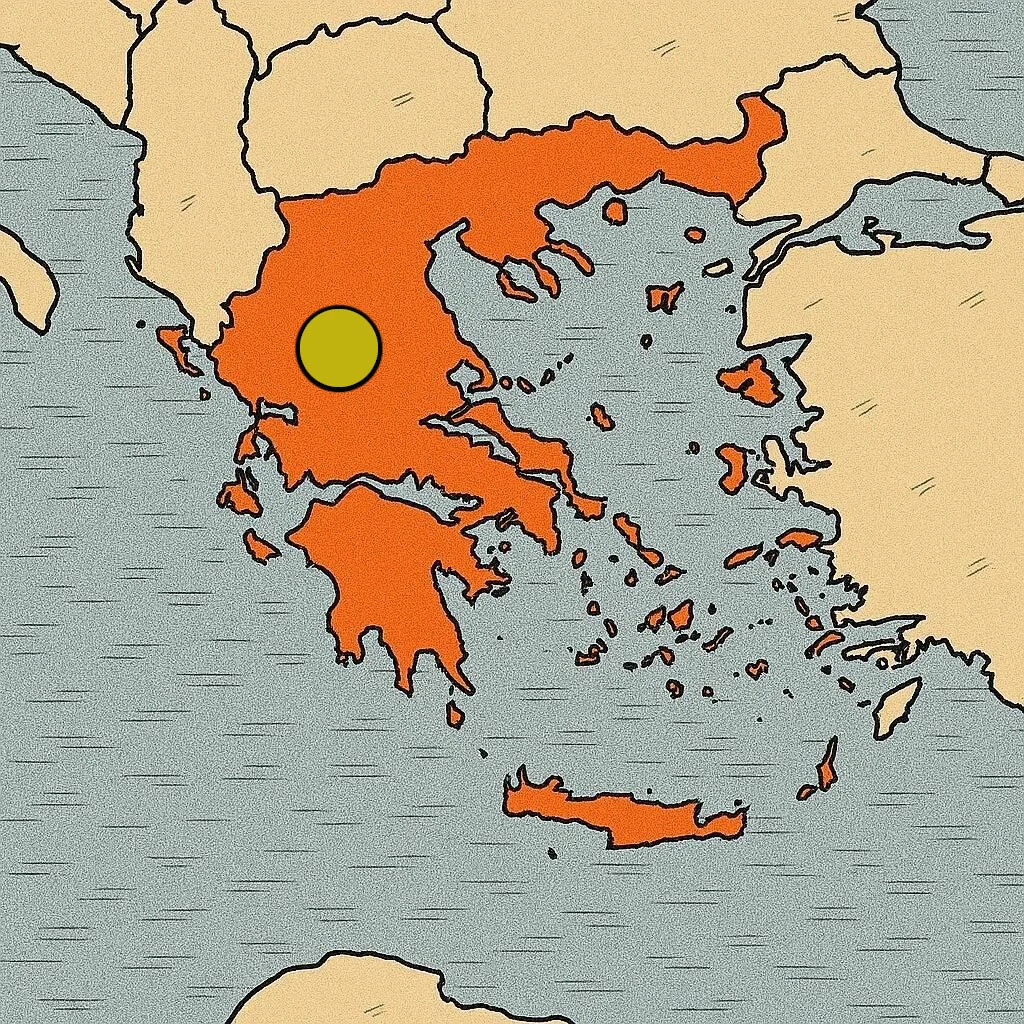
That place exists in central Greece and is called Meteora. Its name comes from Greek and means something like “suspended in the air”.[1] Here, nature and architecture seem to have agreed to create a landscape that is hard to believe is real.
The columns of the sky
Meteora is formed by massive masses of sandstone and conglomerate that rise above the Peneios valley. Some of these formations exceed 400 meters in height.[1]
But the rocks did not appear suddenly. About 60 million years ago, the area was related to large river deposits. Over time, movements of the Earth, earthquakes, rain, and wind eroded the terrain until they left the huge columns we see today.[1] Nature took millions of years to build them.
Much later, human beings decided to do something even more surprising: build monasteries on top of them.
First came the hermits
The first monks and hermits began settling in the caves and crevices of the rocks probably starting in the 11th century.[1] They were looking for secluded places where they could live in silence, pray, and get away from cities and the troubles of the world.
The caves were perfect for that purpose. Some were located in places so difficult to reach that they offered extraordinary solitude. The monks could spend long periods living practically in isolation.
Over time, these small communities grew. And then a much more ambitious idea appeared: to build monasteries on the summits themselves.
Building where there were no roads
During the 14th century, the region of Thessaly went through a time of great political instability. Monasteries began to be built on the most inaccessible summits, seeking protection and isolation.[1]
Construction must have been a true adventure. There were no roads going up to those heights. Materials had to be transported along difficult paths and, in some cases, hoisted using systems of ropes, pulleys, and nets.
UNESCO itself highlights that these monasteries were built under extraordinarily difficult conditions and without practicable roads.[1] For centuries, reaching them was almost as difficult as building them.
Twenty-four monasteries in the heights
The great development of Meteora took place between the 14th and 16th centuries. Towards the end of the 15th century there were 24 monasteries in the area.[1] Some were built directly on the rocks. Others rested on small natural platforms.
From the valley, they must have looked like buildings suspended over the void. And that image ended up giving the whole place its name.
Climbing was an adventure
Today there are stairs and paths that allow visitors to tour the monasteries. But for centuries access was much more complicated. Visitors could be hoisted using nets and ropes, and wooden ladders were also used.[2]
UNESCO even preserves the memory of a net used to hoist pilgrims alongside a 373-meter precipice at the Varlaam monastery.[1] Imagine being inside a net hanging from a rope while slowly climbing up a rock wall.
Isolation was part of the reason why those places had been chosen.
The monastery that seems to touch the sky
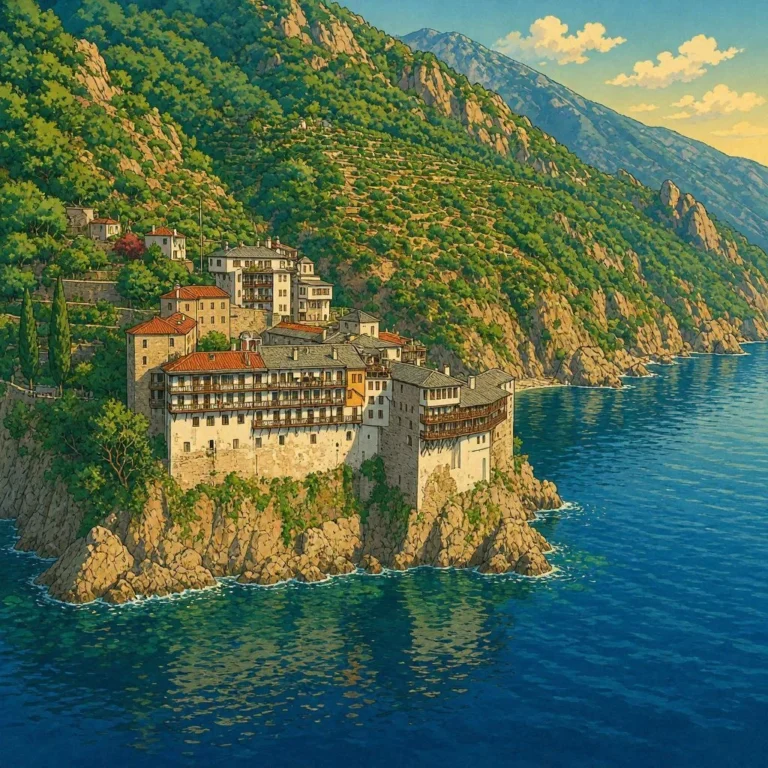
One of the most impressive is the Great Meteoron, also called the Monastery of the Transfiguration. It is the largest of the Meteora monasteries and sits on one of the great rock formations.[1] Another well-known one is Varlaam, built on a huge rock and famous for its architecture and paintings.
Today only four monasteries still house religious communities: Great Meteoron, Varlaam, Holy Trinity, and St. Stephen.[1] The others disappeared or were left abandoned over the centuries.
An art gallery over the void
The monasteries are not only surprising because of where they were built. Inside, they preserve an extraordinary artistic heritage. Their churches are decorated with frescoes, icons, and religious scenes. Some of the most important paintings belong to the 16th century, when Meteora experienced a time of great artistic and religious development.[1]
One of the most important artists was Theophanes the Cretan, who painted in the monastery of St. Nicholas Anapausas in 1527.[1] His works are part of the evolution of post-Byzantine painting. So Meteora is also a sort of vertical museum: to reach some of its works of art, you first have to climb a mountain.
From classical Greece to Byzantine Greece
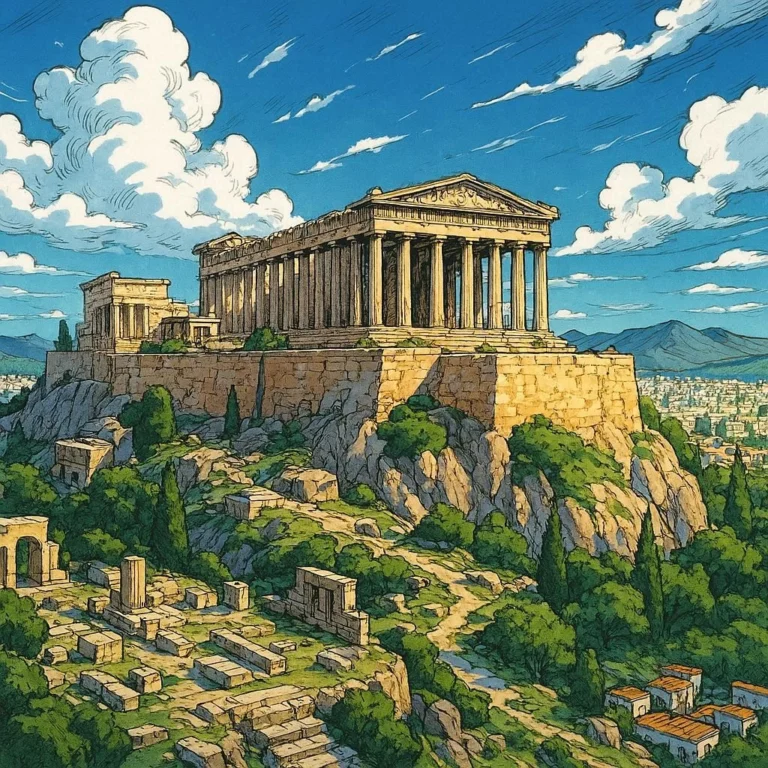
Meteora takes us to a Greece very different from the one we see in the Acropolis of Athens. The Acropolis belongs mainly to the world of classical Greece, with temples like the Parthenon and a culture associated with ancient Athens.
Meteora belongs to the renaissance of the Hellenic world: the Byzantine and post-Byzantine period, deeply related to the Orthodox Christian tradition.[1] Its monasteries speak of an era of Byzantine emperors, monks, manuscripts, icons, and religious communities.
A natural and human wonder
In 1988, Meteora was inscribed on the UNESCO World Heritage List.[1] It is especially interesting because it combines natural and cultural values. On one hand are the huge rock formations created over millions of years. On the other are the monasteries, paintings, architecture, and monastic tradition that developed upon them. UNESCO considers that both elements form an exceptional ensemble.[1]
The monasteries that seem to float
Meteora fits perfectly into the Wonder category because it seems to defy a basic rule of our world: buildings should be built in places where it is possible to arrive. Here the opposite happened. The monks looked precisely for the places hardest to reach because they wanted solitude to be closer to God.
They climbed the rocks, built their communities there, and transformed extraordinary geological formations into a unique spiritual and artistic landscape. Nature took about 60 million years to create the rocks. Human beings took centuries to turn them into a place where the monasteries look like they are floating in the sky.
Sources:
- History, geology, monasteries, access, art, and recognition of Meteora as a World Heritage Site — https://whc.unesco.org/es/list/455
- History of monasticism, traditional access to the monasteries, and landscape of Meteora — https://www.visitgreece.gr/en/experiences/religious-tourism/churches/meteora-the-most-photogenic-spiritual-monument-in-greece