
Monemvasia
The city hidden inside a rock
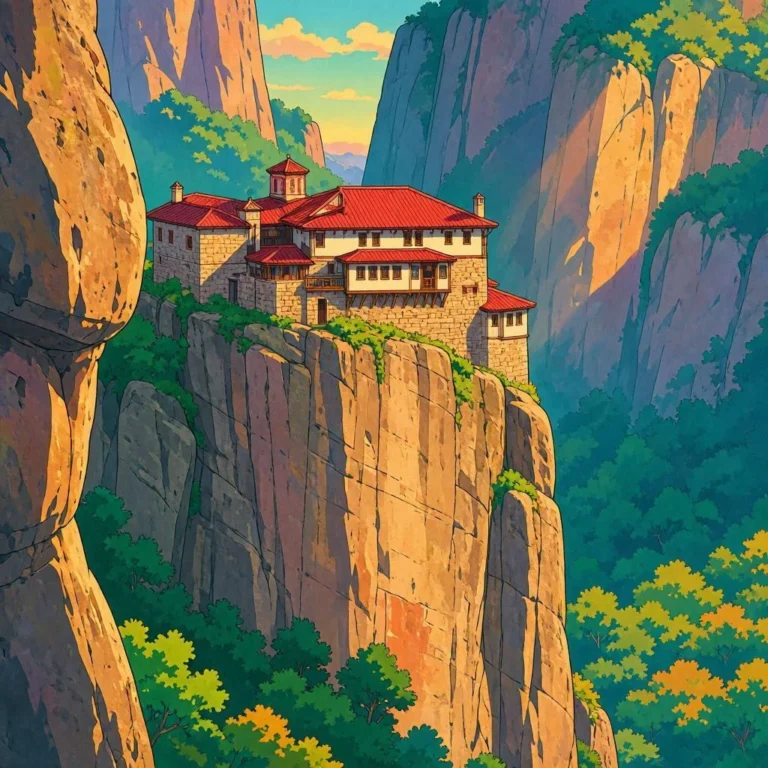
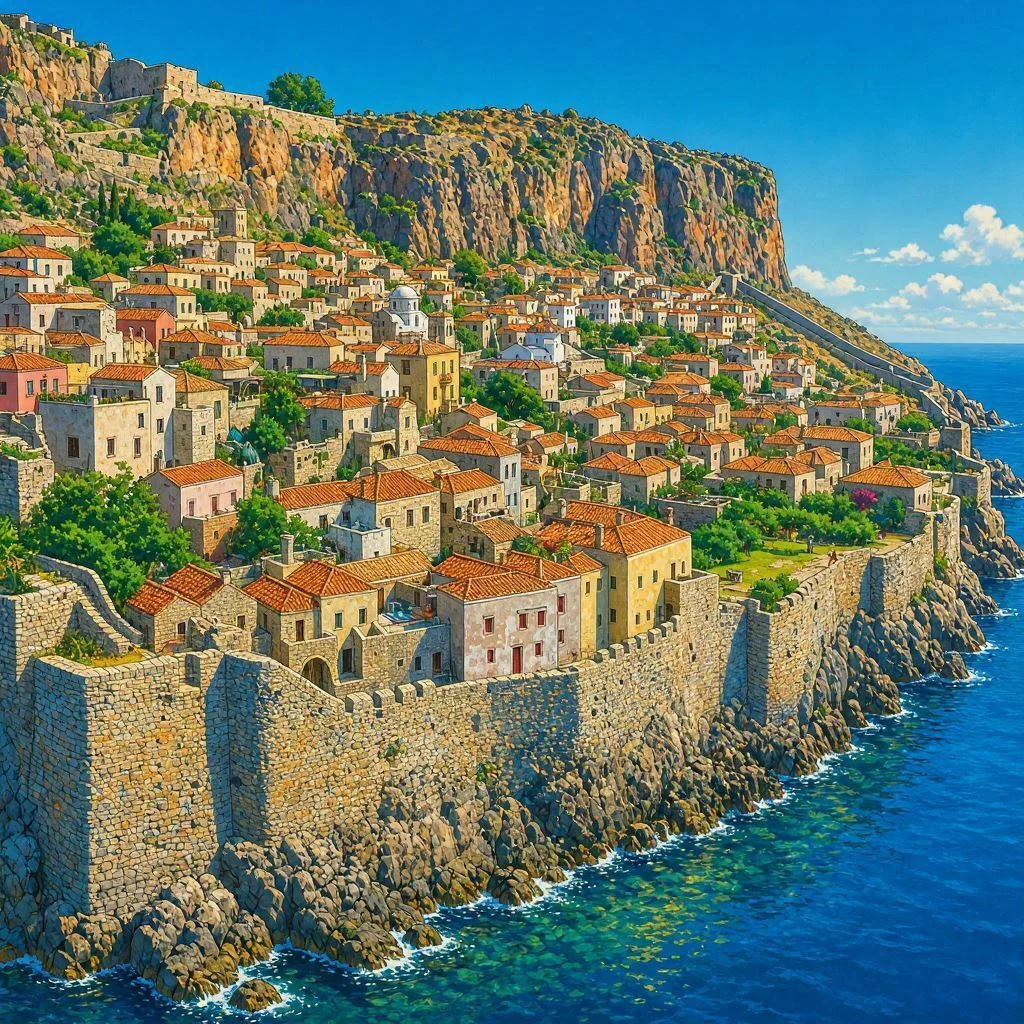
From the sea, Monemvasia looks like a huge block of stone. There is no sprawling city around it, nor towers visible from miles away. Just a gigantic rock rising right next to the water. But as you get closer, you discover something amazing: inside that rock there is a medieval city, with walls, churches, stone houses, narrow alleyways, and old fortresses.
For centuries, Monemvasia was one of the hardest places to conquer in the eastern Mediterranean. Its secret was the landscape itself. The rock was a natural fortress, and the city had an entrance so narrow and controlled that its very name means “single entrance”[1].
A rock that became a refuge
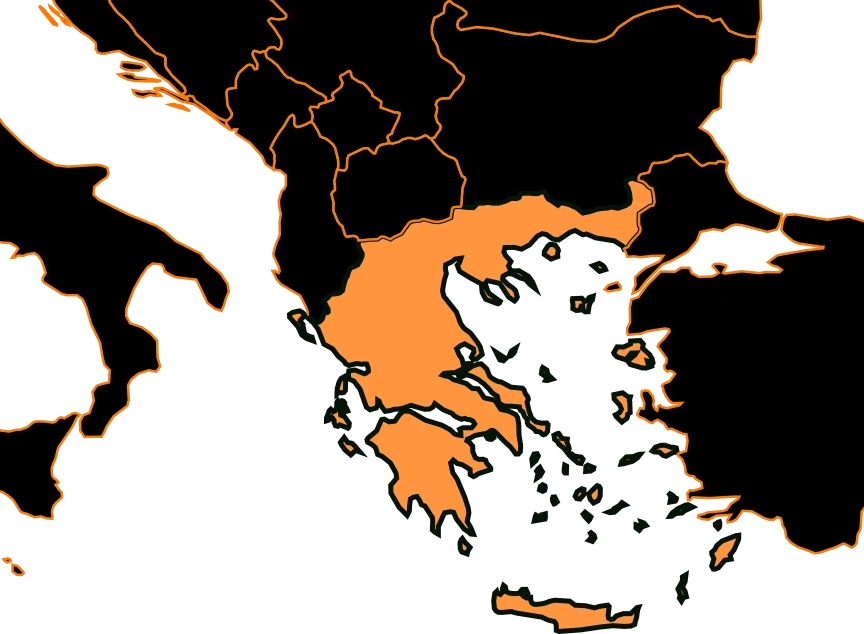
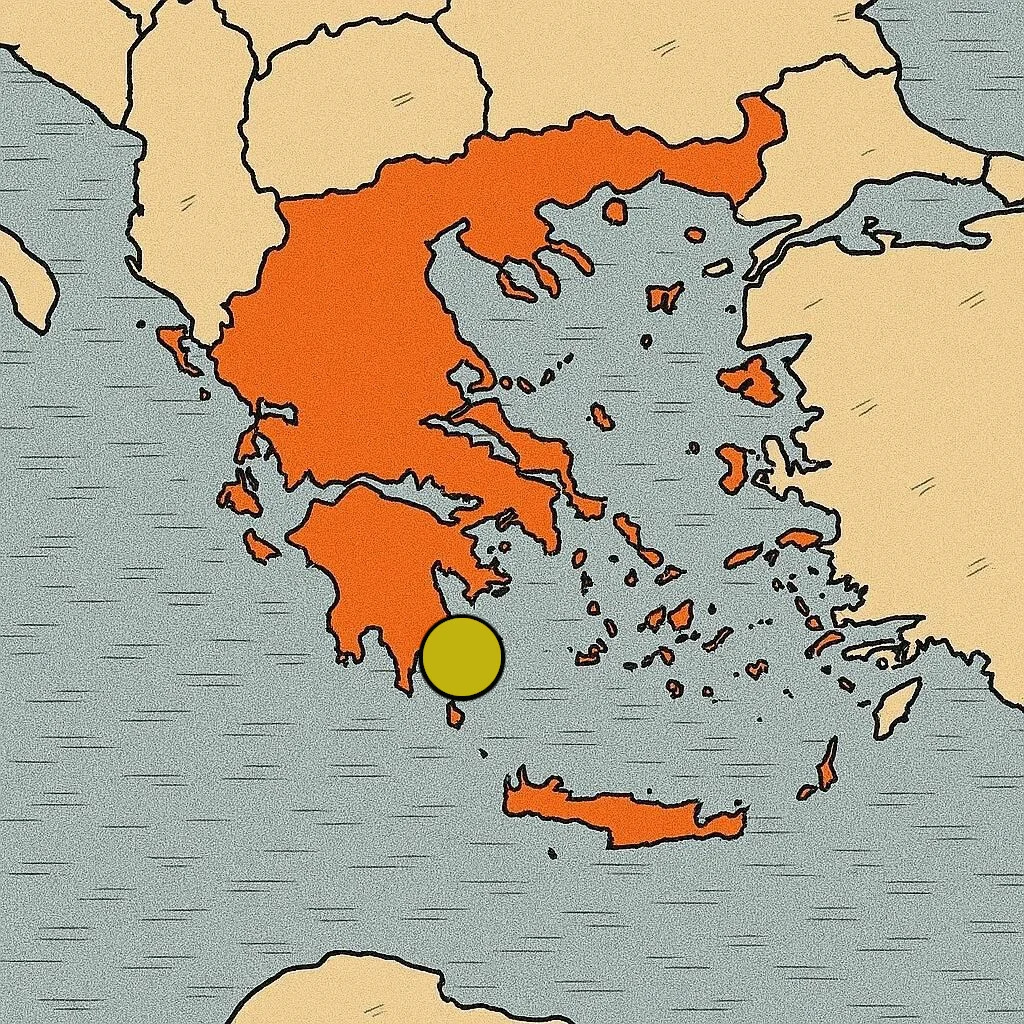
Monemvasia is located in the southeastern Peloponnese, facing the Myrtoan Sea. The massive rock is about 1.5 kilometers long, some 600 meters wide at its widest part, and reaches almost 200 meters in height. Its walls drop into the sea, forming huge cliffs. From certain angles, it almost looks like an island lost on the horizon[1].
The city’s history began many centuries ago, but its great transformation came in late antiquity. An earthquake in the year 375 AD changed the shape of the coastline and separated the rock from the mainland. It remained connected to land only by a narrow strip. Nature had unintentionally created a perfect fortress[1].
In the late 6th century, inhabitants of Laconia sought refuge there to escape raids. The rock offered something few cities could offer: height, cliffs, and an access that was very easy to defend. Those living inside could block the way and turn the stone walls themselves into part of their defenses[2]. Thus began a city that for centuries would live between two worlds: the sea and the rock.
The entrance that gave the city its name
To enter Monemvasia, you had to go through a single access point. From there comes its name, related to the Greek words moni emvasis, meaning “a single entrance” or “unique access”[3].
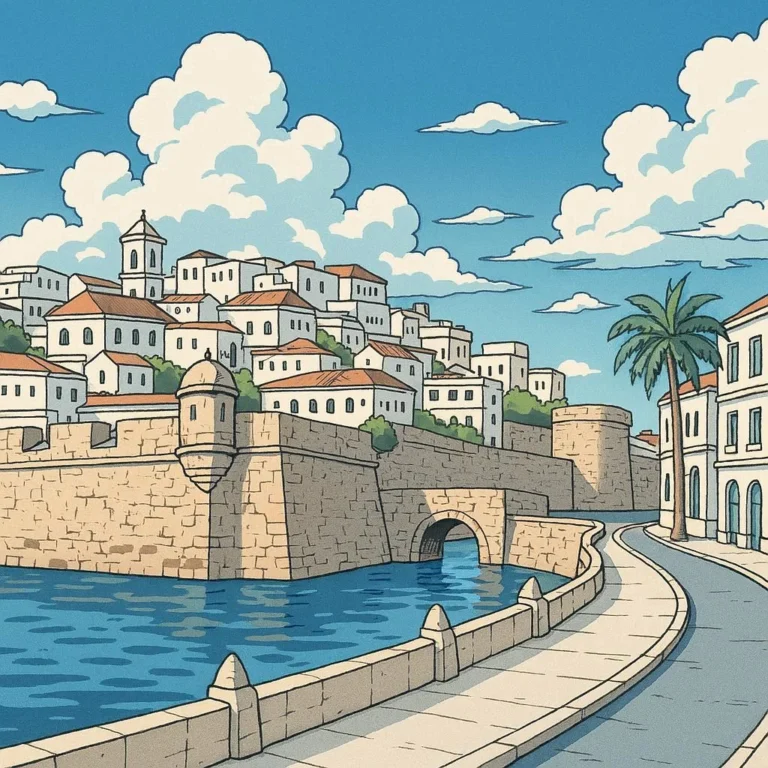
Today you arrive by walking across a narrow causeway connecting the rock to the mainland. But in the medieval city, access was much easier to control. The main gate was protected by fortifications and forced anyone wanting to enter to pass through a specific space. There was no second hidden road behind the rock or wide avenue for an army to advance down.
The entrance was a kind of filter. First, you had to approach via the narrow passage. Then, cross the gates and continue along a cobblestone street leading into the city. The walls and the shape of the terrain meant the defenders always knew where an enemy could arrive from. It was a simple and brilliant solution: if there is only one path to enter, you can focus all your defenses on that path.
A city inside a fortress
Monemvasia was not just a castle with soldiers. Over time, it grew into a true city. It was divided into a Lower Town and an Upper Town.
The Lower Town occupied the slopes and served as a commercial hub. Merchants, sailors, and artisans lived there, alongside shops, homes, churches, and spaces related to the port. Its streets were narrow and paved with cobblestones because available space was very limited. In some places, houses were even built over the streets, leaving passages covered by vaults[4].
Up above was the Upper Town, protected by another line of walls. There you could find administrative buildings, the residences of the most important families, and the garrison. At the very top was the acropolis, from which the territory and the sea could be watched[5].
The city grew so much that during its peak in the 13th and 14th centuries, it had thousands of inhabitants and dozens of churches. Space was so scarce that every corner of the rock had to be used carefully[1].
A fortress hard to defeat
Monemvasia’s position allowed it to resist different powers for centuries. Byzantines, Franks, Venetians, and Ottomans fought for control of the city and its important maritime position. But the rock was always its greatest ally.
One of the most impressive episodes happened after the conquest of Constantinople by the Crusaders in 1204. The Franks tried to conquer Monemvasia, but the city resisted for more than forty years. Realizing a direct attack was practically impossible, the besiegers changed strategy: they tried to cut off food supplies and force the inhabitants to surrender by hunger. The siege lasted three years[1]. Finally, the defenders agreed to surrender under conditions that allowed them to keep their freedoms and privileges. But Monemvasia’s story was far from over.
In 1463 it fell to the Venetians, becoming one of the last Byzantine territories to pass into the hands of another power. Later came new periods of Venetian and Ottoman rule. For centuries the city changed rulers, but its position remained strategic[1].
The trick to disappearing before the sea
Here is one of the most fascinating details about Monemvasia. The rock is huge, but from certain points out at sea, the city is very difficult to spot. The buildings are protected by the bulk of the stone itself, and the walls follow its shapes. The fortress does not spread across an open plain where the number of buildings or soldiers can be easily seen. It is stuck to the rock.
Its position also helped protect it from attacks coming from the sea. The rock walls drop straight down into the water in many places, while fortifications completed the natural defenses. The city was organized into several defensive lines, using the cliffs as a first barrier[5].
That is why Monemvasia could almost look like a part of the mountain. The houses hid behind the walls and slopes. From afar, you saw the stone first. Only when you got closer did the city appear. It was as if someone had built a castle and then placed a mountain in front of it to hide it.
A city that still keeps its secrets
Today the Lower Town is still inhabited and retains much of its medieval appearance. Cobblestone streets wind past stone houses, arches, small squares, and churches. The Upper Town, on the other hand, is uninhabited and preserves ruins that let you imagine what the most protected part of the fortress was like[2].
Among its buildings, the church of Agia Sofia stands out, located at the top of the rock, along with the church of Christ Elkomenos in the Lower Town. There are also remains of walls, old houses, and constructions from different eras. Walking through them means crossing layers of history: Byzantium, the Venetians, the Ottoman Empire, and modern Greece[2].
The city also had important commercial activity. Its port and position on maritime routes helped turn it into a trading center. It even gave its name to a famous medieval wine, Malmsey or Malvasia, which became a prized product among European elites[1].
The city that hid inside a rock
Monemvasia deserves the category of Impossible City because it seems to defy the rules of a normal town. It is built on a gigantic rock, protected by cliffs, crossed by narrow alleyways, and hidden behind walls. For centuries, to reach it you had to find its single access point and overcome a carefully defended entrance.
Its history proves that a city does not always need massive armies to survive. Sometimes it can use something much more powerful: the place where it is built.
Monemvasia turned a rock into a refuge, an entrance into a barrier, and cliffs into walls. And it achieved something even more surprising: for centuries, as ships sailed past the coast, that medieval city could simply look like a gigantic stone rising from the sea. Only when you drew close did you discover that the rock had streets, churches, houses, and a hidden history inside.
Sources:
- History and evolution of Monemvasia — https://monemvasia.gr/2017/05/history/
- History and architecture of the fortress — https://www.visitgreece.gr/es/experiences/architecture/local-architecture/the-castle-town-of-monemvasia/
- Origin of the name and characteristics of the fortified town — https://monemvasia.gr/2017/05/fortress-town-monemvasia/
- Architecture and structure of the Lower Town — https://monemvasia.gr/2019/12/%CE%BC%CE%BF%CE%BD%CE%B5%CE%BC%CE%B2%CE%B1%CF%83%CE%B9%CE%AC-%CE%B7-%C2%AB%CE%BC%CF%8C%CE%BD%CE%B7-%CE%AD%CE%BC%CE%B2%CE%B1%CF%83%CE%B9%CF%82-%CF%83%CF%84%CE%BF-%CE%B2%CF%81%CE%AC%CF%87/
- Walls, defenses, and Upper Town — https://monemvasia.gr/2017/05/the-impressive-restoration-of-the-eastern-wall-of-monemvasia/